
Why Designers Keep Trusting Brands Like Stanton and Prestige Mills

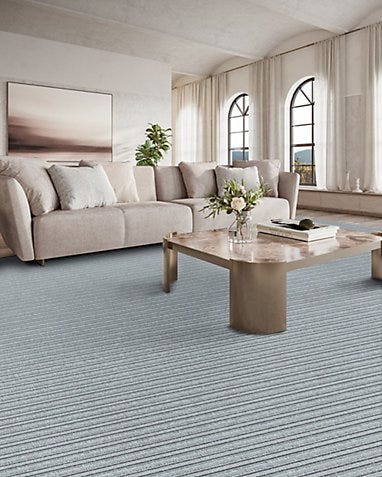
Designers don’t talk about carpet brands the way consumers do. There’s no hype, no ranking, no obsession with what’s new this season. When a brand comes up again and again in design conversations, it’s usually for one reason: it behaves predictably in real spaces.
That’s why names like Stanton and Prestige Mills stay in circulation. Not because they’re flashy, but because they’re reliable in the ways that matter.
Pattern is a good example. A lot of carpet manufacturers can produce a pattern, but not all of them understand scale. Designers notice when a pattern looks good on a sample board but collapses once it’s installed wall to wall. Brands like Stanton and Prestige Mills tend to get that balance right. Their patterns have enough structure to anchor a room, but they don’t overwhelm furniture, artwork, or architecture.
Texture plays a role too. These brands lean into materials that hold their shape and character over time. Wool blends, refined synthetics, and thoughtfully constructed surfaces age differently than cheaper alternatives. Instead of flattening or developing shiny traffic paths, they settle into the room. Designers appreciate that kind of longevity, especially in homes where floors are meant to be lived on, not tiptoed across.
There’s also a consistency factor that doesn’t get talked about much. When a designer specifies a brand repeatedly, it’s because they know what they’re going to get. The color behaves as expected. The pattern installs cleanly. The finished space looks like the rendering, not a compromise.
That kind of trust isn’t built through marketing. It’s built through years of projects that simply worked.
If you’re curious what that looks like in real collections, you can see examples here: